
In today’s rapidly evolving healthcare landscape, teamwork has become more crucial than ever to deliver effective patient care. Occupational therapists are stepping into pivotal roles, bridging gaps between disciplines to enhance recovery and quality of life.
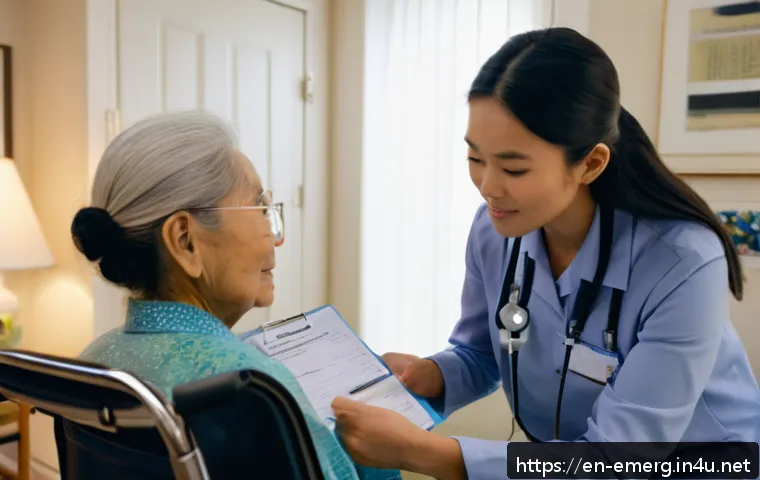
Their collaborative approach not only fosters better communication but also ensures personalized treatment plans that truly meet patient needs. If you’ve ever wondered how these professionals contribute behind the scenes, this discussion will shed light on their vital impact within healthcare teams.
Stay tuned to discover how occupational therapists drive success through seamless collaboration.
The Role of Occupational Therapists in Multidisciplinary Healthcare Teams
Enhancing Communication Among Specialists
Occupational therapists often serve as the connective tissue between various healthcare professionals, ensuring that information flows smoothly and that patient goals remain central.
From my experience working alongside speech therapists, physical therapists, and physicians, the OT’s ability to translate complex functional assessments into actionable treatment plans has been invaluable.
They don’t just relay data; they interpret how each intervention affects a patient’s daily life, which helps the entire team prioritize care strategies more effectively.
This kind of communication isn’t just about sharing updates—it’s about creating a shared understanding that drives patient-centered decisions.
Personalizing Treatment Through Collaborative Input
One thing I’ve noticed firsthand is how occupational therapists actively gather insights from patients, families, and the care team to tailor interventions.
Unlike a one-size-fits-all approach, OTs consider the patient’s environment, cultural background, and personal preferences. For example, when working with stroke survivors, an OT might coordinate with a physical therapist on mobility goals while also consulting with a social worker to address home modifications.
This layered collaboration ensures that treatment plans are not only clinically sound but also realistic and meaningful for the individual’s lifestyle.
Supporting Continuity of Care Beyond Hospital Walls
Another critical aspect of occupational therapy’s team role is facilitating smooth transitions from hospital to home or rehabilitation centers. They often act as advocates, making sure community resources are in place and that follow-up care aligns with the patient’s evolving needs.
I’ve seen OTs organize home assessments and train caregivers, which significantly reduces readmission rates. Their proactive involvement in discharge planning bridges gaps that could otherwise lead to fragmented care or patient frustration.
Integrating Occupational Therapy into Patient-Centered Care Models
Collaborative Goal Setting with Patients and Teams
Occupational therapists champion the concept of shared decision-making. They spend time with patients to understand what activities matter most, then bring these priorities to the team’s attention.
This approach fosters a sense of ownership and motivation in patients, which is crucial for adherence and progress. In my observations, when OTs facilitate goal setting in team meetings, the outcomes tend to be more aligned with real-life functional improvements rather than solely clinical milestones.
Bridging Clinical Expertise and Functional Outcomes
OTs uniquely blend clinical knowledge with a deep understanding of daily functioning. This dual perspective allows them to translate medical diagnoses into practical challenges and solutions.
For instance, when a neurologist diagnoses a patient with multiple sclerosis, the OT interprets how symptoms might impact dressing, cooking, or work tasks.
This interpretation informs interventions that are both medically appropriate and functionally relevant, a nuance that enhances the entire care plan’s effectiveness.
Promoting Interdisciplinary Learning and Innovation
Occupational therapists often bring innovative ideas to the team, drawing on evidence-based practices and emerging technologies. Their input can spark new ways of thinking about patient engagement or rehabilitation strategies.
For example, I’ve witnessed OTs introduce virtual reality tools to complement physical therapy, enhancing motivation and outcomes. This willingness to innovate encourages a culture of continuous improvement within healthcare teams.
Addressing Complex Patient Needs Through Coordinated Care
Managing Chronic Conditions with Holistic Perspectives
Patients with chronic illnesses frequently encounter multifaceted challenges that no single specialist can address alone. Occupational therapists contribute by assessing how conditions affect a patient’s routines, energy levels, and cognitive functions.
They work closely with dietitians, psychologists, and nurses to create comprehensive care plans that encompass physical, emotional, and social dimensions.
This holistic approach is something I’ve found crucial in reducing hospital visits and improving quality of life.
Facilitating Family and Caregiver Involvement
OTs recognize that caregivers are essential partners in recovery and long-term management. They educate families on adaptive techniques and help set realistic expectations, which can ease stress and improve patient outcomes.
From personal experience, when an OT involves caregivers early and consistently, it transforms the support system into a well-informed extension of the healthcare team, making daily care smoother and more effective.
Utilizing Data to Track Progress and Adjust Plans
Occupational therapists employ detailed assessments and monitoring tools to evaluate patient progress over time. This data-driven approach allows the team to make informed adjustments to treatment plans, ensuring they remain relevant and effective.
I’ve seen cases where regular OT evaluations led to early identification of new challenges, prompting timely interventions that prevented deterioration or complications.
Leveraging Technology for Collaborative Rehabilitation
Implementing Telehealth and Remote Monitoring
The rise of telehealth has expanded the reach of occupational therapy, enabling OTs to connect with patients and teams regardless of location. I have personally used telehealth platforms to conduct virtual home assessments, which provided valuable insights into environmental barriers without the need for travel.
This tech integration not only facilitates ongoing collaboration but also empowers patients to participate actively in their care from home.
Integrating Assistive Devices into Treatment Plans
Occupational therapists are experts in recommending and training patients on assistive technologies that enhance independence. Whether it’s adaptive utensils, mobility aids, or smart home devices, OTs ensure these tools fit seamlessly into daily routines.
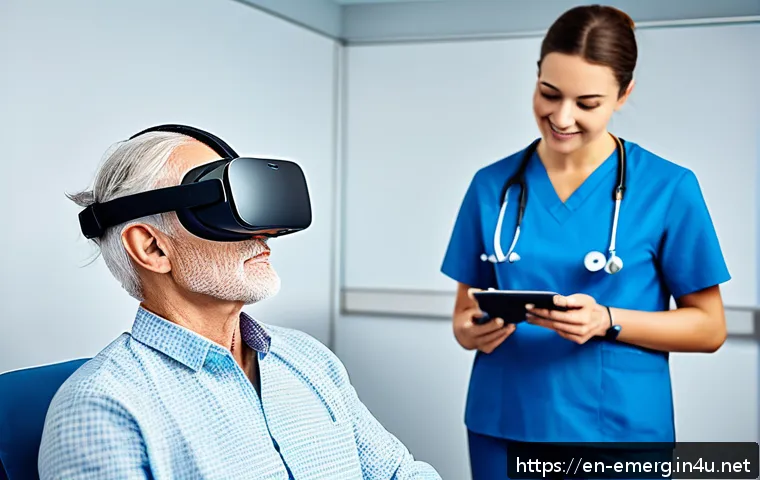
Their collaboration with equipment suppliers and rehab engineers often results in customized solutions, something I’ve witnessed dramatically improve patient engagement and safety.
Collaborating on Digital Health Records and Care Coordination
Effective teamwork depends on accessible and accurate patient information. OTs contribute detailed functional assessments and progress notes to electronic health records, which helps maintain continuity across disciplines.
From my observation, teams that leverage shared digital platforms experience fewer communication breakdowns and more cohesive care delivery.
Building Resilience and Emotional Support within Teams
Addressing Burnout Through Peer Collaboration
Healthcare teams face high stress levels, and occupational therapists often play a subtle but meaningful role in fostering resilience. They encourage open dialogue about challenges and promote self-care strategies among colleagues.
I’ve found that when OTs initiate wellness check-ins or mindfulness sessions, it helps the entire team manage emotional fatigue and maintain focus on patient care.
Facilitating Patient-Centered Empathy Training
OTs bring a unique patient-centered perspective that enhances empathy across the care team. By sharing stories about patients’ lived experiences and functional struggles, they help colleagues see beyond diagnoses to the person behind the condition.
This practice not only improves team dynamics but also enriches the quality of interactions with patients.
Encouraging Reflective Practice for Continuous Growth
Occupational therapists advocate for ongoing reflection on clinical experiences and team functioning. They often lead debrief sessions after complex cases, encouraging shared learning and problem-solving.
In my experience, this culture of reflection fosters professional development and strengthens collaboration, ultimately benefiting patient outcomes.
Coordinating Transitions and Community Reintegration
Preparing Patients for Return to Daily Activities
One of the most rewarding aspects of occupational therapy is seeing patients regain independence in meaningful activities. OTs carefully plan and coordinate interventions that prepare patients to safely return to work, school, or leisure pursuits.
I’ve witnessed how their involvement reduces anxiety and builds confidence, making the transition smoother and more sustainable.
Connecting Patients with Community Resources
Occupational therapists maintain extensive knowledge of community programs and services that support recovery and social engagement. They link patients to support groups, vocational training, and adaptive sports, which enrich overall well-being.
This community integration is a critical piece of the puzzle that OTs help assemble, often with remarkable results.
Ensuring Long-Term Follow-Up and Support
OTs often establish follow-up plans that extend beyond initial treatment phases. They monitor patients’ adaptation to new environments and adjust strategies as needed.
From what I’ve seen, this ongoing involvement prevents setbacks and encourages lifelong self-management, a cornerstone of successful rehabilitation.
| Aspect | Occupational Therapist’s Contribution | Impact on Healthcare Team |
|---|---|---|
| Communication | Facilitates clear, patient-focused dialogue among specialists | Improves coordination and reduces misunderstandings |
| Personalized Care | Incorporates patient preferences and environmental factors | Enhances treatment relevance and adherence |
| Discharge Planning | Coordinates home assessments and caregiver training | Reduces readmissions and supports continuity |
| Technology | Implements telehealth and assistive devices | Expands access and promotes independence |
| Emotional Support | Encourages team resilience and empathy | Improves workplace morale and patient interactions |
| Community Integration | Connects patients with resources and support | Supports long-term recovery and quality of life |
In Conclusion
Occupational therapists play a vital role in multidisciplinary healthcare teams by bridging communication gaps and ensuring patient-centered care. Their expertise in tailoring treatments, supporting transitions, and integrating technology significantly enhances outcomes. Through collaboration and innovation, OTs help create more cohesive, effective care environments that empower patients and professionals alike.
Helpful Information to Know
1. Occupational therapists act as key communicators, translating clinical goals into practical daily activities that matter to patients.
2. They personalize treatment plans by considering individual preferences, cultural backgrounds, and home environments.
3. OTs support smooth discharge processes by coordinating home assessments and caregiver training to reduce hospital readmissions.
4. The use of telehealth and assistive technologies by OTs expands patient access and promotes independence in rehabilitation.
5. Their role in fostering team resilience and empathy improves workplace morale and strengthens patient-centered care.
Key Takeaways
Occupational therapists are essential collaborators who connect diverse healthcare professionals to deliver holistic, functional care. Their patient-focused approach ensures treatments are meaningful and sustainable, while their advocacy in community resources and technology integration supports long-term recovery. By promoting reflective practice and emotional support within teams, OTs enhance both clinical outcomes and team dynamics, making them indispensable in modern healthcare settings.
Frequently Asked Questions (FAQ) 📖
Q: uestionsQ1: How do occupational therapists contribute to interdisciplinary healthcare teams?
A: Occupational therapists play a crucial role by providing insights into patients’ daily living challenges and functional abilities. They collaborate closely with doctors, nurses, physical therapists, and social workers to develop holistic treatment plans that address both physical and cognitive needs.
From my experience, their input often bridges the gap between medical treatment and practical recovery goals, ensuring that care is personalized and effective.
Q: What makes the collaboration of occupational therapists important for patient outcomes?
A: Their collaboration ensures that treatment plans are not only medically sound but also tailored to the patient’s lifestyle and environment. By working seamlessly with other healthcare professionals, occupational therapists help reduce miscommunication and streamline interventions.
I’ve seen firsthand how this teamwork leads to faster recovery times and improved quality of life, as patients receive support that’s well-rounded and attentive to their unique circumstances.
Q: In what ways do occupational therapists improve communication within healthcare teams?
A: Occupational therapists often act as liaisons, translating complex medical jargon into actionable strategies that patients and families can understand.
They facilitate open dialogue among team members, advocating for patient-centered care and highlighting functional priorities. From what I’ve observed, their communication skills enhance trust and cooperation, which are essential for coordinating care and achieving successful rehabilitation outcomes.