
In today’s fast-evolving healthcare landscape, mastering rehabilitation techniques in occupational therapy has never been more crucial. With the rise of chronic conditions and an aging population, effective patient recovery depends heavily on skilled therapists who can tailor interventions to individual needs.
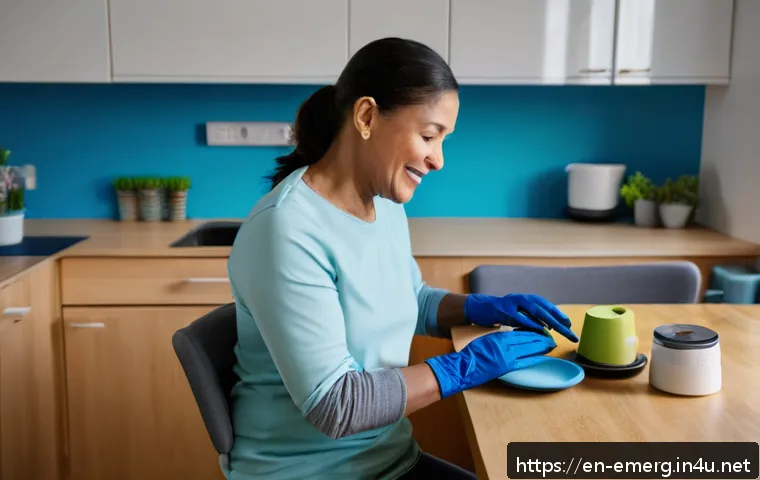
From hands-on experience, I’ve seen how precise techniques can dramatically improve a patient’s quality of life and independence. If you’re curious about what makes occupational therapy truly transformative, stay with me as we dive into the essential skills that empower recovery and redefine healing journeys.
This insight could be a game-changer whether you’re a practitioner or someone passionate about health innovation.
Understanding Client-Centered Assessment in Occupational Therapy
Building Rapport to Enhance Assessment Accuracy
Establishing trust is the cornerstone of any successful occupational therapy assessment. From my time working with diverse clients, I’ve found that when patients feel genuinely heard and respected, they open up about their challenges and goals more freely.
This honesty allows therapists to gather nuanced information that standard tests might miss. It’s not just about ticking boxes on an evaluation form; it’s about creating a safe space where clients feel empowered to share their daily struggles and aspirations.
Taking time to engage in meaningful conversation often reveals underlying issues that might otherwise go unnoticed, leading to more tailored and effective intervention plans.
Utilizing Standardized and Non-Standardized Tools
Incorporating both standardized assessments, such as the Canadian Occupational Performance Measure (COPM), and informal observational techniques gives a more holistic picture of client abilities.
I’ve noticed that while standardized tools provide reliable benchmarks, they sometimes fail to capture the real-world complexities clients face. For instance, observing a client’s home environment or daily routines can reveal barriers that aren’t apparent in clinical settings.
Combining these approaches helps therapists design interventions that are not only evidence-based but also practical and meaningful for the individual’s lifestyle.
Interpreting Assessment Data to Inform Goal Setting
Collecting assessment data is only valuable if it directly informs personalized goal setting. Based on my experience, involving clients in interpreting their own assessment results fosters a sense of ownership over their recovery journey.
It’s crucial to translate clinical findings into everyday language, helping clients understand their strengths and areas for improvement. This collaborative approach ensures that goals are realistic, motivating, and aligned with what truly matters to the client, enhancing adherence and satisfaction throughout therapy.
Adaptive Techniques for Enhancing Motor Skills
Task-Specific Training for Functional Gains
Task-specific training is a game changer in occupational therapy, especially when focusing on motor skill rehabilitation. When I applied this technique with stroke survivors, I witnessed remarkable improvements in their ability to perform daily tasks such as dressing or cooking.
The principle is simple yet powerful: practice the exact activity you want to improve in the most relevant context. This targeted repetition strengthens neural pathways and builds muscle memory, which translates into real-world independence.
Incorporating Assistive Technology and Tools
Assistive devices, ranging from simple adaptive utensils to advanced robotic gloves, can significantly enhance motor function outcomes. I’ve seen clients gain confidence and reduce frustration when provided with the right tools tailored to their specific challenges.
For example, a client with limited hand dexterity benefited immensely from a customized splint combined with a voice-activated smart home system, enabling greater autonomy.
Selecting and training clients on these devices requires a deep understanding of both technology and individual capabilities.
Progressive Resistance and Fine Motor Exercises
Introducing progressive resistance exercises helps rebuild muscle strength gradually without overwhelming the client. I’ve found success in combining these with fine motor skill drills, such as manipulating small objects or buttoning shirts, which are essential for daily living.
Patience is key here, as progress can be slow and sometimes frustrating for clients. Celebrating small victories along the way keeps motivation high and reinforces the therapeutic alliance.
Holistic Strategies for Cognitive Rehabilitation
Engaging Clients Through Meaningful Activities
Cognitive rehabilitation isn’t just about drills and puzzles; it’s about integrating therapy into activities that resonate with the client’s interests and lifestyle.
I once worked with a client who loved gardening, and by designing memory and attention tasks around plant care, the rehabilitation process felt less like work and more like a rewarding hobby.
This approach not only enhances cognitive function but also improves emotional well-being and motivation.
Using Technology to Support Cognitive Function
Digital apps and virtual reality platforms have become invaluable tools in cognitive rehabilitation. My hands-on experience with these technologies showed me their potential to simulate real-life scenarios and provide instant feedback, which traditional methods lack.
For example, VR can recreate a busy grocery store to practice decision-making and multitasking in a controlled environment. These tech-driven interventions can be customized to the client’s progress, making therapy dynamic and engaging.
Collaborative Goal Setting with Multidisciplinary Teams
Cognitive challenges often intersect with physical and emotional health, necessitating a team-based approach. Working alongside speech therapists, psychologists, and social workers has enriched my perspective and enhanced client outcomes.
Coordinating goals ensures that interventions are comprehensive and consistent across disciplines, preventing fragmented care and confusion for clients.
Psychosocial Approaches to Support Emotional Well-being
Building Resilience Through Therapeutic Relationships
Emotional health is deeply intertwined with physical recovery, and occupational therapists play a pivotal role in fostering resilience. I’ve learned that empathetic listening and validating clients’ feelings help reduce anxiety and depression, which often accompany chronic conditions.
When clients feel supported emotionally, they engage more fully in therapy and demonstrate greater perseverance during setbacks.
Incorporating Mindfulness and Stress Reduction Techniques
Mindfulness practices such as guided breathing and progressive muscle relaxation can be powerful adjuncts in rehabilitation. In my practice, integrating these techniques reduced clients’ stress levels and improved their focus during therapy sessions.
Teaching clients how to self-regulate emotions empowers them to manage pain and frustration more effectively, which contributes to better functional outcomes.
Facilitating Social Participation and Community Integration
Encouraging clients to reconnect with social networks and community activities is essential for holistic recovery. I’ve observed that social isolation can exacerbate health issues, whereas meaningful social engagement promotes motivation and purpose.
Whether through group therapy sessions or community outings, facilitating these connections helps clients rebuild their identities beyond their diagnoses.
Implementing Evidence-Based Practice in Daily Therapy

Staying Current with Research and Clinical Guidelines
Occupational therapy is a rapidly evolving field, and keeping up with the latest evidence is non-negotiable for effective practice. Personally, I dedicate time weekly to review journals and attend webinars, ensuring that my interventions are grounded in the best available science.
This commitment not only boosts my confidence but also reassures clients that they are receiving top-notch care.
Customizing Interventions Based on Client Feedback
No two clients respond the same way to treatment, so flexibility is crucial. I actively seek feedback throughout therapy to adjust techniques and goals accordingly.
This iterative process helps identify what truly works for each individual, making therapy more efficient and client-centered.
Measuring Outcomes to Demonstrate Effectiveness
Tracking progress with objective measures and client-reported outcomes validates the therapy’s impact. I’ve found that sharing tangible improvements with clients boosts their morale and engagement.
Documentation also supports communication with healthcare teams and justifies continued services or funding.
Enhancing Patient Independence Through Environmental Modifications
Assessing Home and Work Environments for Barriers
A comprehensive understanding of a client’s environment is vital for successful rehabilitation. I make it a point to conduct home visits or virtual tours to identify obstacles that could hinder independence.
Common issues include poor lighting, narrow doorways, or unsafe bathroom setups. Recognizing these factors allows for targeted recommendations that make daily activities safer and more manageable.
Designing Tailored Adaptations and Supports
From grab bars to ergonomic furniture, environmental modifications can dramatically improve client safety and autonomy. I recall a client with limited mobility who regained confidence after installing strategically placed handrails and a roll-in shower.
Personalizing these adaptations ensures they fit the client’s unique needs and preferences, maximizing their usability.
Training Clients and Caregivers on Environmental Use
Introducing modifications is only part of the solution; effective training ensures they’re used correctly and consistently. I emphasize hands-on practice with both clients and caregivers, demonstrating techniques and troubleshooting challenges.
This collaborative approach reduces accidents and promotes sustained independence over time.
Collaborative Communication for Optimized Rehabilitation Outcomes
Establishing Clear Communication Channels
Effective communication between therapists, clients, families, and other healthcare providers is fundamental. In my experience, setting expectations early about how and when updates will be shared prevents misunderstandings and builds trust.
Utilizing tools like shared digital records or regular check-ins keeps everyone aligned on progress and goals.
Advocating for Client Needs Within Healthcare Systems
Navigating complex healthcare systems can be overwhelming for clients. I’ve often found myself advocating for necessary services or accommodations, whether it’s securing funding for assistive devices or coordinating specialist referrals.
Acting as a liaison not only streamlines care but also empowers clients to focus on recovery rather than bureaucracy.
Facilitating Family Involvement and Education
Family members often play a crucial role in supporting rehabilitation. Providing education about the client’s condition, therapy goals, and home strategies helps families become effective partners.
I’ve witnessed families grow more confident and proactive when they understand how to assist without fostering dependence, which significantly improves long-term outcomes.
| Rehabilitation Technique | Key Benefits | Typical Tools/Methods | Client Impact |
|---|---|---|---|
| Client-Centered Assessment | Personalized goals, improved engagement | Standardized tests, interviews, observations | Accurate understanding of needs |
| Adaptive Motor Training | Enhanced functional independence | Task-specific practice, assistive devices | Improved daily task performance |
| Cognitive Rehabilitation | Better memory, attention, problem-solving | VR, apps, meaningful activities | Increased real-world cognitive function |
| Psychosocial Support | Reduced anxiety, increased resilience | Mindfulness, social integration | Improved emotional well-being |
| Environmental Modifications | Safer living spaces, greater autonomy | Home assessments, assistive tech | Reduced accidents, sustained independence |
| Collaborative Communication | Coordinated care, client advocacy | Regular updates, family education | Streamlined rehabilitation process |
In Conclusion
Client-centered assessment and tailored interventions are the heart of effective occupational therapy. By combining evidence-based techniques with personalized care, therapists can empower clients to regain independence and improve quality of life. Collaborative communication and ongoing adaptation ensure that therapy remains relevant and impactful throughout the recovery journey.
Helpful Information to Remember
1. Building a strong therapeutic relationship encourages open communication and more accurate assessments.
2. Using both standardized tools and real-life observations creates a fuller understanding of client needs.
3. Incorporating technology like virtual reality can make cognitive rehabilitation more engaging and practical.
4. Mindfulness and social participation are vital components to support emotional well-being during recovery.
5. Environmental modifications combined with client and caregiver training promote sustained independence and safety.
Key Takeaways
Effective occupational therapy hinges on personalized, client-centered approaches that address physical, cognitive, and emotional needs. Integrating adaptive motor training, cognitive exercises, and psychosocial support maximizes functional gains. Continuous collaboration among healthcare providers and families ensures cohesive care. Finally, customizing environments and leveraging technology further enhance client autonomy and long-term success.
Frequently Asked Questions (FAQ) 📖
Q: uestionsQ1: What are the most important rehabilitation techniques used in occupational therapy to enhance patient recovery?
A: In my experience, some of the key rehabilitation techniques include task-specific training, adaptive equipment use, and sensory integration therapy. These methods help patients regain functional independence by focusing on real-life activities tailored to their unique challenges.
For example, guiding a stroke survivor through repetitive hand movements not only rebuilds strength but also retrains neural pathways, which is crucial for lasting recovery.
Combining these techniques with personalized goal setting usually yields the best outcomes.
Q: How do occupational therapists customize interventions for patients with chronic conditions or age-related disabilities?
A: Customization starts with a thorough assessment of the patient’s physical, cognitive, and emotional status. From there, therapists design interventions that consider the individual’s lifestyle, home environment, and personal goals.
I’ve seen how integrating assistive technologies, like ergonomic tools or smart home devices, alongside traditional therapy can dramatically improve daily functioning.
This holistic, patient-centered approach ensures therapies are not just effective but also sustainable in the long term.
Q: Why is mastering these rehabilitation techniques essential for occupational therapists in today’s healthcare environment?
A: The healthcare landscape is rapidly changing, with more complex cases and a growing elderly population. Therapists who master advanced rehabilitation techniques are better equipped to address diverse needs, reduce hospital readmissions, and promote independence.
From my hands-on practice, I’ve noticed that skilled therapists can significantly shorten recovery times and boost patient confidence. Ultimately, these skills empower therapists to make a real difference in improving quality of life, which is the heart of occupational therapy.