
In today’s fast-paced world, enhancing patient independence has never been more crucial, especially as healthcare continues to evolve with innovative technologies.
Occupational therapists play a vital role in recommending assistive devices that empower individuals to regain control over their daily lives. Whether recovering from injury or managing chronic conditions, the right tools can transform challenges into achievable goals.
Join me as we explore the top assistive devices that professionals trust to boost autonomy and improve quality of life. You’ll discover practical solutions that make a real difference, backed by real-world experience and the latest trends in rehabilitation care.
Innovative Mobility Aids for Everyday Freedom
Smart Wheelchairs and Powered Scooters
When mobility becomes a challenge, powered wheelchairs and scooters open up a new world of independence. Unlike traditional wheelchairs, these devices often come equipped with customizable controls that cater to a user’s specific needs—joystick sensitivity, speed settings, and even Bluetooth connectivity for smartphone integration.
From my experience working with clients, the difference in confidence and ease of movement when switching to a powered model is striking. It’s not just about getting from point A to B anymore; it’s about reclaiming spontaneity in daily activities.
For example, one client who struggled with fatigue found that a powered scooter enabled her to attend social events without exhausting herself, dramatically improving her quality of life.
Adaptive Walking Aids with Enhanced Stability
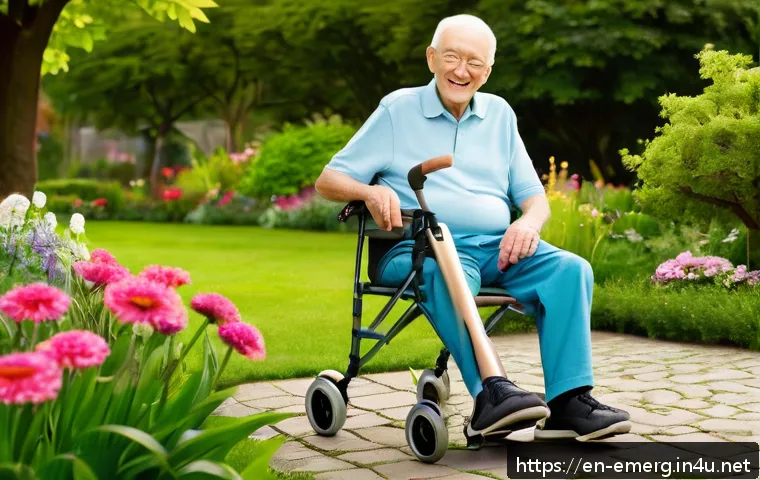
Walking aids have evolved far beyond the basic cane or walker. Modern versions incorporate ergonomic grips, shock-absorbing materials, and adjustable height settings that reduce strain on joints and muscles.
Some models even include foldable seats, allowing users to rest during longer outings—a feature I’ve seen make a huge difference for elderly patients.
The key is finding a device that feels like an extension of the body rather than a cumbersome tool. In practice, this means assessing balance, upper body strength, and lifestyle demands before making a recommendation, ensuring the aid supports not just mobility but overall wellbeing.
Customized Orthotic Supports for Targeted Assistance
Orthotics are another game-changer, especially for individuals dealing with muscle weakness or joint instability. These custom-fitted braces and supports can help correct gait, reduce pain, and prevent further injury.
Through hands-on assessments and collaboration with orthotists, I’ve witnessed how personalized orthotic devices empower patients to regain confidence in walking or performing daily tasks.
The technology behind these supports keeps advancing, offering lighter, more breathable materials that enhance comfort without compromising effectiveness.
Assistive Technology for Enhanced Communication
Voice-Activated Devices and Apps
Communication barriers can be profoundly isolating, but voice-activated technology is bridging that gap. Devices that respond to vocal commands or apps that convert speech to text enable users with speech impairments or limited mobility to interact more freely.
I’ve recommended several user-friendly options that integrate seamlessly with smartphones and tablets, allowing clients to control their environment, send messages, or even operate home appliances hands-free.
This kind of autonomy, especially in social and professional settings, has a ripple effect on mental health and self-esteem.
Augmentative and Alternative Communication (AAC) Systems
AAC systems range from simple picture boards to sophisticated speech-generating devices. The choice depends heavily on an individual’s cognitive and physical abilities, but the goal remains consistent: to facilitate clear, effective communication.
Working with clients and speech therapists, I’ve seen how tailored AAC solutions can transform lives, opening doors to education, employment, and social interaction that were previously inaccessible.
Training and ongoing support are crucial components to ensure users gain maximum benefit and feel confident using these tools daily.
Wearable Communication Tech for On-the-Go Interaction
Wearable technology like smartwatches with customizable alerts or communication apps can be a discreet yet powerful aid. These devices allow users to stay connected without relying on bulky equipment, which is especially valuable for those who lead active lifestyles or work in dynamic environments.
I’ve noticed that clients appreciate the blend of functionality and style, which encourages consistent use and helps normalize their assistive technology in everyday life.
Daily Living Aids That Promote Self-Reliance
Adaptive Kitchen Tools for Safe Meal Preparation
Cooking can be a major hurdle for individuals with limited hand dexterity or strength, but adaptive kitchen tools are designed to make the process safer and more manageable.
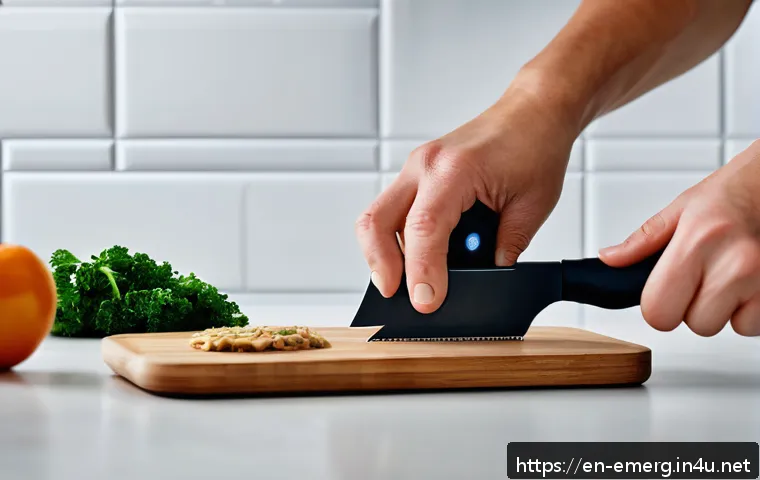
From ergonomic knives with thick grips to electric jar openers and one-handed cutting boards, these devices reduce frustration and risk of injury. Personally, I’ve seen clients regain their passion for cooking when equipped with the right tools, which in turn supports better nutrition and independence.
It’s a reminder that small changes in the kitchen can have big impacts on overall wellbeing.
Bathroom Safety Equipment for Confident Hygiene
Bathrooms pose unique challenges due to slippery surfaces and tight spaces. Grab bars, shower chairs, and raised toilet seats are just a few examples of assistive devices that enhance safety and ease of use.
When recommending these, I always emphasize proper installation and the user’s comfort to ensure they feel secure rather than restricted. For many, these adaptations restore dignity and reduce caregiver reliance, which is a critical step toward autonomy.
Smart Home Devices for Seamless Daily Routines
Integrating smart home technology—like voice-controlled lighting, automated thermostats, and remote door locks—can transform how individuals manage their day-to-day activities.
These systems offer convenience and an added layer of security, which is especially important for those living alone or with limited mobility. Based on feedback from clients, the ability to control their environment with simple commands fosters a sense of control and peace of mind that’s hard to overstate.
Ergonomic Tools to Support Fine Motor Skills
Writing and Typing Aids
Fine motor difficulties can hinder basic tasks like writing or typing, but specialized tools help bridge that gap. Adaptive pens with wider barrels, keyboard overlays, and speech-to-text software are common recommendations that can significantly reduce fatigue and improve accuracy.
Clients often report feeling less frustrated and more productive when equipped with these devices, which ultimately supports their independence in educational or professional settings.
Grip and Manipulation Enhancers
Tools designed to improve grip strength and manipulation, such as hand exercisers and finger splints, not only assist with immediate task performance but also promote long-term rehabilitation.
I encourage patients to incorporate these aids into daily routines, blending therapy with functional activities. Over time, many notice improvements in hand coordination and reduced pain, which boosts confidence and willingness to engage in diverse activities.
Assistive Tools for Dressing and Grooming
Dressing and grooming are essential for personal dignity but can be challenging for those with limited hand function. Adaptive devices like button hooks, zipper pulls, and long-handled hairbrushes help maintain independence in self-care.
From my observations, clients often feel a renewed sense of pride and control once they master these aids, underscoring the importance of personalized recommendations that align with their lifestyle.
Comprehensive Overview of Assistive Devices
| Device Category | Primary Benefit | Typical Users | Key Features | Example Use Case |
|---|---|---|---|---|
| Powered Mobility Aids | Enhanced movement independence | Individuals with limited strength or endurance | Joystick controls, adjustable speed, Bluetooth | Attending social events without fatigue |
| Communication Technologies | Improved social interaction | Speech impairments, limited hand mobility | Voice activation, speech generation, wearable devices | Sending messages hands-free |
| Daily Living Aids | Increased safety and autonomy | People with reduced dexterity or balance issues | Ergonomic grips, grab bars, smart home integration | Preparing meals safely, managing home environment |
| Fine Motor Supports | Improved task accuracy and comfort | Individuals with fine motor skill challenges | Adaptive pens, grip enhancers, dressing aids | Writing independently, self-grooming |
Tailoring Device Choices to Individual Lifestyles
Assessing Daily Activities and Goals
Choosing the right assistive device goes beyond physical needs—it’s about understanding what matters most to the individual. During assessments, I spend time learning about daily routines, hobbies, and social interactions to recommend devices that truly fit into their lives.
For example, someone who enjoys gardening might benefit from specialized tools that reduce strain on the wrists, while a tech-savvy user may prefer smart home gadgets that integrate seamlessly with their existing devices.
This personalized approach ensures that the technology feels less like a medical intervention and more like a lifestyle enhancement.
Considering Psychological and Emotional Factors
Acceptance and consistent use of assistive devices often hinge on psychological readiness and emotional comfort. In my practice, I’ve observed that involving clients in the decision-making process and providing thorough training helps reduce anxiety and builds confidence.
It’s not uncommon for people to initially resist using aids due to stigma or fear of dependence, but framing these tools as empowering rather than limiting can shift perspectives.
Celebrating small victories and progress reinforces positive attitudes toward assistive technology.
Ongoing Support and Device Adaptation
Assistive devices aren’t a one-and-done solution; they require ongoing evaluation and adjustments as needs evolve. I prioritize follow-up sessions to troubleshoot issues, offer additional training, and explore upgrades.
This continuous support ensures that devices remain effective and aligned with changing abilities or goals. Clients appreciate knowing they’re not alone in this journey, which encourages sustained use and maximizes the benefits of their assistive technology.
In Conclusion
Innovative mobility and assistive technologies are transforming everyday life, offering greater independence and confidence. By focusing on personalized solutions that match individual needs and lifestyles, these aids empower users to overcome challenges and engage more fully in their communities. As technology continues to evolve, so do the opportunities for enhanced freedom and quality of life.
Helpful Information to Know
1. Choosing the right assistive device requires understanding both physical needs and personal lifestyle preferences to ensure long-term satisfaction.
2. Psychological readiness and emotional support play a crucial role in the successful adoption and consistent use of mobility and communication aids.
3. Many modern devices offer customizable features, such as adjustable controls and smart connectivity, enhancing usability and user comfort.
4. Ongoing training and follow-up care are essential to adapt devices as users’ needs change over time and to maximize their benefits.
5. Incorporating assistive technology can significantly improve social interaction, safety, and independence, which positively impacts mental and physical wellbeing.
Key Takeaways
Assistive technologies should be tailored to the unique requirements and goals of each individual, blending functionality with ease of use. Emotional acceptance and involvement in device selection help reduce resistance and foster empowerment. Continuous support and adaptation are vital to maintaining effectiveness and user satisfaction. Ultimately, these tools are not just aids but enablers of greater autonomy, dignity, and quality of life.
Frequently Asked Questions (FAQ) 📖
Q: uestions about
A: ssistive Devices for Enhancing Patient Independence
Q: How do occupational therapists determine which assistive device is best for a patient?
A: Occupational therapists conduct comprehensive assessments that consider the patient’s specific physical abilities, daily routines, and personal goals.
They evaluate factors such as mobility, dexterity, cognitive function, and the environment where the patient lives. By combining clinical expertise with patient feedback, therapists recommend devices that not only meet medical needs but also fit seamlessly into the person’s lifestyle.
For example, someone recovering from a stroke may benefit from adaptive utensils, while a person with limited mobility might need a wheelchair with specialized controls.
Q: Are assistive devices difficult to learn and incorporate into daily life?
A: While some devices may require an adjustment period, most are designed with user-friendliness in mind. Occupational therapists provide hands-on training and ongoing support to help patients feel confident using their new tools.
From my experience working with clients, the initial challenges usually fade quickly once the device becomes part of the daily routine. The key is consistent practice and tailored instruction, which can turn what seems intimidating at first into a source of independence and empowerment.
Q: Can assistive devices be covered by insurance or are they expensive to obtain?
A: Many assistive devices are eligible for partial or full coverage through health insurance, Medicare, or Medicaid, depending on the patient’s situation and location.
It’s important to work closely with healthcare providers and insurance representatives to understand what’s covered. Some devices, especially high-tech ones, might have higher upfront costs, but their long-term benefits in improving quality of life often justify the investment.
Additionally, there are grants and nonprofit programs available that can help offset expenses for those in need.