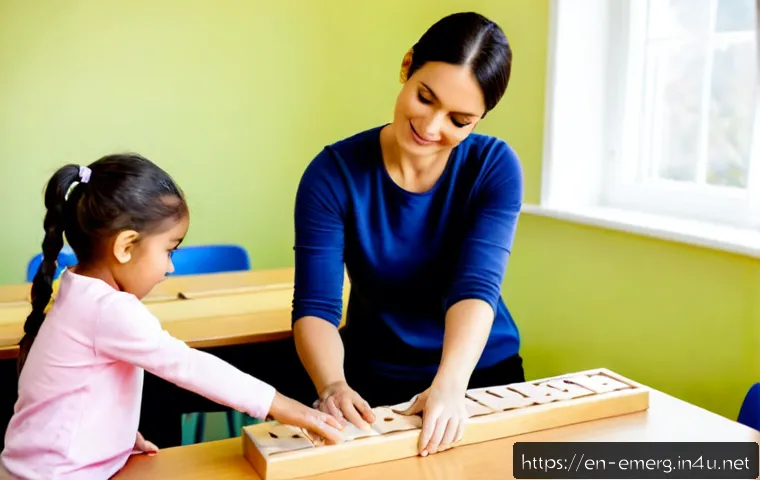
Occupational therapists teach practical skills that help people participate in daily activities, while also guiding families, caregivers, educators, employers, and care teams when appropriate.

Their education may cover routines, safer task methods, environmental changes, and the use of adaptive equipment. Education-focused OT support can be worth considering when a person needs more than instructions alone and benefits from demonstration, practice, and feedback.
The best format depends on functional goals, who will provide daily support, the learning environment, and available services. Before paying for private sessions, caregiver training, or equipment instruction, compare what is included and what follow-up is available.
Coverage, fees, provider qualifications, and service availability can vary by location, setting, and payer.
At a Glance
- Occupational therapists may teach clients, family caregivers, teachers, employers, and interdisciplinary care teams.
- Teaching can include demonstration, guided practice, written instructions, environmental modifications, and adaptive equipment training.
- Effective education is individualized around functional needs, learning preferences, and safety considerations.
| Education Format | Best When | Typical Focus | Questions to Compare |
|---|---|---|---|
| One-to-one OT visits | A person needs individualized teaching around specific daily activities. | Functional goals, task practice, feedback, and tailored home strategies. | Is hands-on practice included? Is follow-up guidance available? |
| Caregiver coaching | A family member or support person helps with routines at home. | Safe assistance, communication, shared routines, and clear responsibilities. | Will the caregiver practice during the session? Are written instructions included? |
| School or workplace consultation | Participation barriers are connected to a classroom, job task, or physical setting. | Environmental changes, task adaptation, and collaboration with relevant staff. | Does the provider have experience in that setting? Who will implement changes? |
| Group programs or digital home tools | General education, peer learning, or simple routine support may be useful. | Shared instruction, written resources, reminders, and home-program organization. | How personalized is the content? What support is available if questions arise? |
What an Occupational Therapist Teaches—and Why It Matters
Three Quick Answers for Clients, Families, and Care Teams
Who do occupational therapists teach? Depending on the setting, they may teach the client, family caregivers, teachers, employers, and members of an interdisciplinary care team.
What do they teach? The focus is usually on practical participation in daily activities: completing routines, using a safer method for a task, adjusting an environment, or learning to use adaptive equipment.
When is education-focused support useful? It may be helpful when instructions need to be personalized, when several people share responsibility for support, or when safety and consistency are concerns. Education is not simply extra information; it can be part of making a plan usable in everyday life.
Education as Part of Functional, Everyday Rehabilitation
Occupational therapy commonly considers the person, task, and environment. This matters because a strategy that works in a therapy space may need adjustment before it fits a home, school, workplace, or community routine.
For example, education may involve breaking a daily task into manageable steps, identifying barriers in the physical environment, or showing a support person how to provide assistance without taking over the task. The goal is not to give a generic checklist. It is to help the person and their support network understand what can make participation more practical.
A useful education plan should connect directly to a functional need. If the instruction does not relate to a real routine, a meaningful task, or a specific participation barrier, it may be harder to use consistently.
Teaching for Independence, Safety, and Participation
OT teaching may support independence, but independence does not always mean doing every task alone. It can also mean choosing a workable method, communicating needs, using an appropriate support, or participating with the right level of assistance.
Safety is equally important. An occupational therapist may teach a person or caregiver how to approach a task more safely, but an unfamiliar piece of adaptive equipment should not be used without appropriate instruction. A written handout can be useful, yet it may not replace observation, guided practice, and clarification when safety concerns exist.
Educational Responsibilities Across Clients, Families, and Teams
Teaching Clients Daily Living, Routines, and Self-Management Skills
Client education often centers on the activities that matter most in day-to-day life. This may include organizing a routine, practicing a task sequence, trying a different method, or learning how an environmental change could reduce a barrier.
Good instruction is adjusted to the person’s learning preferences, communication needs, and functional goals. Some people learn best by watching a demonstration. Others may need guided practice, short written steps, or repeated opportunities to ask questions. A plan should be simple enough to use outside the session.
Rather than asking for a broad “home program,” consider asking for a short plan tied to a specific routine. Clear priorities are usually more useful than a long list of activities with no explanation of when or why to use them.
Coaching Family Members and Caregivers Without Creating Overload
Caregiver training can help make daily support more consistent. It may include observing a technique, practicing it with guidance, discussing how to cue rather than take over, and deciding what should happen when the usual routine is not possible.
However, caregiver education should not become an unrealistic workload. A practical plan identifies who is responsible for what, which steps are essential, and what questions should be brought back to the provider. When several family members are involved, a shared written summary can reduce mixed messages.
Before choosing a caregiver education package or private coaching service, ask whether caregivers can practice during the session. Watching alone may not reveal misunderstandings. It is also reasonable to ask whether the service includes a chance to clarify instructions after the initial teaching.
Collaborating With Teachers, Employers, and Other Healthcare Professionals
In a school or workplace setting, education may focus on participation demands in that environment. An occupational therapist may help relevant people understand task barriers, possible environmental modifications, or ways to support a routine without unnecessarily singling out the individual.
For care teams, education can clarify roles and reduce gaps between recommendations and daily implementation. A team may need to know what has been practiced, which cues are helpful, what equipment is involved, and when the plan should be reviewed.
Clear handoffs matter. If a teacher, employer, caregiver, or another healthcare professional is expected to carry out part of a strategy, responsibilities should be understood rather than assumed.
Comparing Education Formats: Value, Time, and Support Level
Individual Therapy Education Versus Caregiver Coaching
Individual OT sessions may be a better fit when teaching needs to be closely tied to one person’s functional performance, preferences, or environment. They can allow for direct demonstration, guided practice, and immediate feedback.
Caregiver coaching may be especially valuable when a family member or support person plays a regular role in daily routines. The central question is not which format is universally better. It is whether the person who needs to carry out the plan has enough understanding and practice to do so safely.
Some situations may benefit from both formats: individualized work with the client and targeted coaching for the people who provide support between visits.
Group Programs, Telehealth, and Home-Based Learning Resources
Group education programs can provide shared learning and general information. They may be useful when participants have similar educational needs, but they may not offer the same level of individual adaptation as one-to-one services.
Telehealth or digital home-program tools may make it easier to review written instructions, reminders, or routine steps. Their value depends on whether the material is understandable, relevant, and matched to the person’s situation. Digital resources should not be assumed to fit every client or replace hands-on training when equipment use or safety requires closer guidance.
When comparing therapy resources, ask whether content can be adjusted after feedback. A flexible resource may be more useful than a polished program that does not match the daily environment.
Questions to Ask About Fees, Insurance Coverage, and Included Follow-Up
Service availability, funding rules, insurance coverage, visit frequency, and fees vary by location, provider, setting, and payer. Ask direct questions before booking:
- What type of education is included in the service?
- Will the client, caregiver, or both have an opportunity for guided practice?
- Are written instructions or digital home resources included?
- Is follow-up clarification available, and if so, how is it provided?
- What costs may apply, and what coverage questions should be checked with the payer?
- Does the provider have experience with the relevant setting, such as home, school, workplace, or rehabilitation service?
How Effective OT Teaching Is Planned and Delivered
Assessing Learning Needs, Goals, Communication, and Environment

Effective education begins with understanding what the person needs to do, where the task happens, and what barriers affect participation. The therapist may consider functional goals, communication needs, learning preferences, available support, and the environment where the strategy will be used.
This assessment helps prevent a common problem: giving a technically correct recommendation that does not fit the person’s actual routine. A plan that is too complicated, too time-consuming, or disconnected from the home or workplace is less likely to be used.
Demonstration, Practice, Feedback, and Simple Written Home Plans
Teaching methods may include demonstration, guided practice, written instructions, and feedback. Each method has a different purpose. Demonstration shows what a task may look like. Practice helps reveal where difficulty remains. Feedback allows the plan to be adjusted. Written instructions can support recall after the visit.
A simple home plan should state what to practice, when to use the strategy, and what to do if the instruction is unclear. It should not overwhelm the client or caregiver with unnecessary detail. If the plan cannot be explained in plain language, it may need to be simplified.
Adaptive Equipment and Environmental Changes: When Training Is Essential
Adaptive equipment and environmental modifications may support participation, but their usefulness depends on the person, task, and setting. Training can be essential when a person or caregiver needs to understand how to use equipment safely and appropriately within a routine.
Before purchasing equipment or paying for equipment training, ask what problem it is intended to address, whether practice will be included, and how the equipment fits the actual environment. Do not assume that a product or tool will be suitable for an individual without an appropriate professional assessment.
Common Education Mistakes and Safety Considerations
Giving Too Much Information at Once
A large amount of information can create confusion, especially when a client or caregiver is already managing new routines. Focus first on the most important functional and safety-related steps. Additional strategies can be added after the essentials are understood.
Using Generic Instructions Instead of Functional Goals
Generic advice may sound helpful but can be difficult to apply. Stronger education links each recommendation to a meaningful activity, a real environment, and a clear reason for using it. Ask, “Which daily task is this meant to improve?”
Skipping Caregiver Practice or Follow-Up Clarification
Caregivers may understand instructions differently than intended, especially if they only observe a demonstration. Guided practice and a clear way to ask follow-up questions can reduce uncertainty. This is particularly important when assistance methods, environmental changes, or adaptive equipment are involved.
Choosing Education Support: A Practical Comparison Summary
When a Specialized Occupational Therapy Consultation May Be Worthwhile
A specialized consultation may be worth considering when daily participation is affected by a specific setting, when several people need coordinated instruction, or when adaptive equipment and environmental changes require individualized training. It may also be useful when previous instructions have been difficult to carry out in everyday life.
The purpose is not to assume that more services are always better. It is to identify whether a focused assessment and teaching plan could make support more practical, safer, or easier to maintain.
Provider Selection Checklist: Goals, Setting Experience, Communication, and Costs
Before selecting an occupational therapy education resource, caregiver training program, or clinic-based support service, check the following:
- Goals: Can the provider explain how education relates to the person’s daily activities?
- Setting experience: Does the service address the relevant home, school, workplace, or care setting?
- Communication: Are instructions clear, practical, and available in a format the client or caregiver can use?
- Practice: Will there be demonstration and guided practice rather than information alone?
- Follow-up: Is there a process for clarifying questions or reviewing the plan?
- Costs and coverage: Have fees, possible insurance questions, and included services been explained?
Preparing Questions Before a First Appointment or Service Inquiry
Bring a short list of daily tasks that are difficult, the people involved in support, and details about where the difficulty occurs. Ask what education format is recommended and why. If a caregiver, teacher, or employer will be involved, ask how communication and responsibility handoffs will be managed.
It can also help to ask what you should expect to practice during the appointment and what information will be provided afterward. These questions make it easier to compare rehabilitation services without relying only on broad descriptions.
Selection Criteria and Comparison Summary
Compare service formats, coverage questions, and provider credentials before booking. Look for a service that connects teaching to a specific functional goal, includes appropriate practice, accounts for the real environment, and explains who will carry out each part of the plan. Confirm whether caregiver coaching, written home instructions, adaptive equipment training, and follow-up clarification are included. Review payment and insurance coverage questions directly with the provider and payer where relevant. For formal details on a program’s service format and conditions, check the provider’s official information page.
In Closing
The educational role of an occupational therapist is practical and collaborative. It can involve teaching clients new ways to approach daily activities, helping caregivers provide support, and coordinating with schools, workplaces, or care teams. The most useful education is clear, individualized, and connected to real routines. When comparing services, prioritize fit, safety, communication, and the ability to practice the plan.
Useful Information to Keep in Mind
1. Ask for short, functional instructions rather than an overly complex home program.
2. Make sure the person expected to use a strategy has a chance to practice it.
3. Clarify responsibility when more than one caregiver, teacher, or professional is involved.
4. Seek appropriate instruction before using unfamiliar adaptive equipment.
5. Keep written guidance in a place where it can be used during the relevant routine.
Important Notes
This is a general guide, not an individual assessment or a determination of medical necessity. The right educational strategy, service frequency, provider qualifications, fees, and coverage depend on the person, setting, local scope of practice, and payer rules. An occupational therapist or other appropriate professional should assess individual needs before recommendations are treated as suitable for a specific person.
Frequently Asked Questions
Q1. What is the educational role of an occupational therapist?
A1. Occupational therapists may teach practical skills that support participation in daily activities. Depending on the setting, education can involve clients, caregivers, teachers, employers, and care teams. Teaching may include task demonstration, guided practice, written instructions, environmental modifications, and adaptive equipment training.
Q2. Can occupational therapists train family caregivers to help safely at home?
A2. Occupational therapists may provide caregiver coaching when it is appropriate to the client’s needs and setting. Training can help caregivers understand routines, practice support methods, and clarify responsibilities. The exact service and suitability for a particular situation should be confirmed with a qualified provider.
Q3. How can I compare individual OT sessions, caregiver coaching, and group education programs?
A3. Compare how personalized the teaching is, whether guided practice is included, who needs to learn the information, and how well the format fits the home, school, workplace, or care environment. Also ask about written resources, follow-up support, provider experience, fees, and coverage questions before choosing a service.