
Hey everyone! It’s wild how fast our world is changing, isn’t it? Just when you think you’ve got a handle on things, a whole new wave of innovation rolls in.
This is especially true for us in healthcare, and let me tell you, occupational therapy is absolutely buzzing with transformations right now. I’ve seen firsthand how our roles are expanding beyond the traditional clinic walls, reaching into exciting new areas like mental wellness, lifestyle medicine, and even environmental sustainability.
What’s really shaking things up, though, is the incredible leap in technology. From the power of telehealth bringing care right into people’s homes to the mind-blowing applications of AI and virtual reality in rehabilitation, it’s a whole new ballgame.
To stay on top, truly serve our clients with the best, most cutting-edge interventions, and keep our skills sharp for the future, continuous learning isn’t just a good idea—it’s absolutely essential.
We need to be ready to embrace these shifts, not just to meet licensing requirements, but to truly thrive and deliver impactful, personalized care. It’s about keeping that spark alive, growing our expertise, and genuinely making a difference in an ever-evolving field.
Let’s dive in deeper below.
Navigating the Digital Frontier in OT Practice
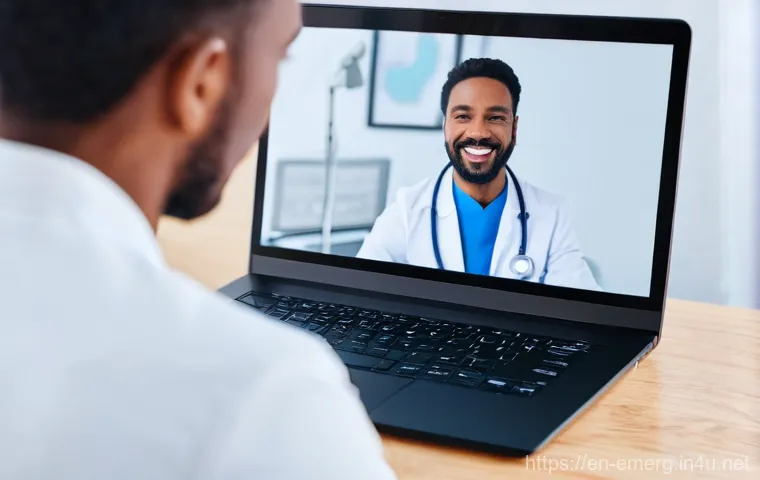
Telehealth: Bridging Gaps and Expanding Reach
Honestly, when telehealth first started gaining serious traction, I was a bit skeptical. The idea of truly connecting with clients and building that essential therapeutic rapport through a screen felt… well, distant. But boy, was I wrong! I’ve seen firsthand how it completely revolutionized access to care, especially for folks in rural areas or those with mobility challenges who previously found it almost impossible to get to a clinic. It’s not just about convenience; it’s about equitable access, allowing us to deliver crucial interventions, provide caregiver training, and even conduct home safety assessments virtually. I remember one client, a busy parent with a newborn, who would have had to cancel countless sessions if not for the flexibility of tele-OT. Being able to adapt our strategies for virtual engagement, from using interactive whiteboards to guiding clients through exercises with clear verbal cues, has become a core skill. It’s truly broadened our horizons and shown me that effective therapy isn’t confined to four walls, but rather by our creativity and adaptability. The initial learning curve felt steep, but the payoff in client outcomes and professional flexibility has been immense, making it clear that mastering this digital space isn’t just a trend, it’s a fundamental shift in how we deliver care. I’ve personally found it has expanded my own reach and ability to help people across wider geographical areas, which is incredibly rewarding.
Leveraging Digital Tools for Enhanced Outcomes
Beyond basic video calls, the digital landscape offers a treasure trove of tools that are transforming how we approach therapy. I’ve been experimenting with various apps and platforms that help with everything from cognitive rehabilitation exercises to mindfulness practices. Think about it: a client struggling with executive function can use a task management app that we’ve customized together, making real-world application seamless. Or someone dealing with chronic pain might benefit immensely from a guided meditation app that helps them manage symptoms and improve coping strategies. It’s not just about finding the tools; it’s about expertly integrating them into individualized treatment plans. I once worked with a teenager recovering from a hand injury who was utterly disengaged with traditional exercises. Introducing a gamified rehabilitation app turned his daily routine into something he actually looked forward to, significantly boosting his adherence and progress. It showed me that meeting clients where they are, in their digital world, can unlock incredible potential. Plus, the data tracking capabilities of many of these tools allow for more precise progress monitoring and informed adjustments to our interventions, which ultimately leads to better, more measurable results. This is where our expertise as OTs truly shines – not just in knowing the tech, but in knowing how to apply it therapeutically to achieve genuine improvements in daily life.
Unlocking New Horizons: Expanding Our Scope
Integrating Mental Wellness into Everyday Practice
For a long time, occupational therapy has inherently touched on mental health, but now, it’s truly coming to the forefront as a distinct and vital area of practice. I’ve seen a significant shift, especially since the pandemic, in how clients and healthcare systems recognize the profound connection between mental well-being and a person’s ability to engage in meaningful occupations. It’s not just about addressing diagnosed mental health conditions, though that’s crucial, but also about supporting general emotional regulation, stress management, and resilience in daily life. My own practice has evolved to incorporate more explicit mental wellness strategies, such as teaching mindful self-compassion techniques, developing personalized routines to manage anxiety, and facilitating participation in social and leisure activities that promote positive mental health. I recall working with a young professional struggling with burnout and severe anxiety. Traditional talk therapy was helpful, but it was the practical, occupation-based strategies – like building a structured morning routine, incorporating sensory regulation techniques into her workday, and finding accessible ways to engage in her forgotten hobbies – that truly empowered her to regain control and find balance. We are uniquely positioned to bridge the gap between mental health understanding and practical, real-world application, helping people not just cope, but thrive mentally through their everyday doings.
The Rise of Lifestyle Medicine and Population Health
It’s incredibly exciting to see occupational therapy stepping more firmly into the realms of lifestyle medicine and population health. We’ve always understood the importance of healthy habits and environments, but now we’re seeing a stronger emphasis on preventive care and promoting well-being across broader communities. This means moving beyond individual client sessions to thinking about how we can influence health at a systemic level. I’ve been exploring how OTs can contribute to community programs focused on chronic disease prevention, healthy aging initiatives, and even urban planning that promotes active living. For example, collaborating with local governments to design age-friendly communities or working with employers to create healthier work environments are becoming increasingly vital roles for us. It’s about looking at the bigger picture and identifying how daily occupations – from nutrition and physical activity to sleep hygiene and social connection – contribute to overall health. I recently had the opportunity to consult on a project aimed at improving accessibility and engagement in a local park system, ensuring it truly served the diverse needs of the community, from young families to older adults. This kind of work is incredibly rewarding because you’re not just impacting one person, but potentially hundreds, even thousands, fostering environments where healthy choices are not just possible, but easy. This expansion into population health is a testament to our holistic perspective and our unique ability to connect individual well-being with environmental and social determinants of health. It really broadens our impact far beyond what I ever imagined when I first started out.
The Lifelong Learning Imperative: Staying Ahead of the Curve
Cultivating a Growth Mindset for Professional Resilience
The pace of change in healthcare is relentless, and honestly, if you’re not actively learning, you’re probably falling behind. I’ve learned that cultivating a growth mindset isn’t just a buzzword; it’s a survival strategy for occupational therapists today. It means viewing every new challenge, every emerging technology, and every complex client presentation not as a hurdle, but as an opportunity to expand our knowledge and refine our skills. I used to feel overwhelmed by the sheer volume of new information, from advanced neurological rehabilitation techniques to the latest in assistive technology. But I’ve shifted my perspective. Now, I actively seek out workshops, webinars, and peer-reviewed articles on topics that initially feel foreign. This proactive approach has not only kept my skills sharp but has also opened doors to new specializations and collaborations I wouldn’t have considered before. For instance, delving into trauma-informed care completely transformed my approach to clients with complex psychosocial needs, allowing me to build stronger therapeutic alliances and achieve more meaningful outcomes. It’s about embracing the discomfort of not knowing everything and leaning into the process of continuous discovery, understanding that our value as OTs lies not just in what we currently know, but in our capacity to adapt, learn, and evolve. This resilience, born from a commitment to lifelong learning, is what allows us to truly thrive in an ever-shifting landscape.
Navigating New Certifications and Specializations
With the expanding scope of practice, it’s no surprise that new certifications and specializations are emerging, offering incredible pathways for professional growth. I’ve noticed a real increase in demand for OTs with specialized knowledge in areas like low vision rehabilitation, driving rehabilitation, sensory integration for adults, and even ergonomic consulting. Pursuing these certifications isn’t just about adding letters after your name; it’s about deepening your expertise, enhancing your credibility, and ultimately, providing more targeted and effective interventions for your clients. I recently completed a certification in executive function coaching, and it completely transformed how I approach working with adolescents and adults who struggle with planning, organization, and problem-solving. The specialized knowledge I gained allowed me to develop more precise and impactful strategies, leading to breakthroughs with clients who had previously plateaued. It also opened up opportunities for me to collaborate with schools and corporations, expanding my reach and impact. The investment in time and resources for these advanced trainings is significant, but I’ve found the returns – both in terms of professional satisfaction and enhanced client outcomes – to be immeasurable. It also positions us as leaders in specific niches, which can be fantastic for career advancement and even for developing new revenue streams, whether through private practice or specialized consulting roles, giving us more autonomy in our professional lives.
| Emerging Area | Key Skill Set Required | Example Application |
|---|---|---|
| Telehealth & Digital Health | Virtual communication, platform proficiency, remote assessment & intervention, digital tool integration | Conducting a virtual home safety assessment, guiding clients through app-based cognitive exercises |
| Mental Health & Wellness | Trauma-informed care, mindfulness techniques, stress management, psychosocial support | Developing sensory diets for anxiety, creating routines to manage depression symptoms |
| Lifestyle Medicine & Prevention | Health coaching, behavior change strategies, community program development, population health literacy | Designing a community fall prevention workshop, consulting on workplace ergonomics for well-being |
| Assistive Technology & AI | AT assessment, device customization, robotics integration, ethical considerations of AI | Programming smart home devices for independent living, utilizing VR for motor rehabilitation |
| Advocacy & Policy | Legislative awareness, persuasive communication, coalition building, public speaking | Lobbying for improved OT reimbursement, advocating for accessible public spaces |
Embracing Innovation: Tools and Technologies Transforming Care
Virtual Reality and Augmented Reality in Rehabilitation
When I first heard about virtual reality (VR) being used in rehabilitation, I pictured clunky headsets and unrealistic graphics. But oh, how far it’s come! I’ve been blown away by the sophisticated, immersive experiences that VR and augmented reality (AR) now offer, particularly in areas like pain management, cognitive retraining, and motor rehabilitation. Imagine a client recovering from a stroke being able to practice reaching and grasping tasks in a dynamic, stimulating virtual kitchen environment, receiving real-time feedback that keeps them engaged and motivated. Or a child with sensory processing challenges exploring a calming virtual world designed to help them regulate their emotions. I’ve personally used AR applications that overlay digital information onto the real world, assisting clients with visual perceptual deficits in identifying objects or navigating unfamiliar spaces. It feels like we’re finally breaking free from the limitations of the clinic, offering experiences that are not only therapeutic but also incredibly engaging and fun. The beauty of these technologies lies in their ability to create safe, repeatable, and customizable environments where clients can practice skills, confront fears, and build confidence without the real-world risks. It truly makes therapy feel less like work and more like an interactive adventure, which, as I’ve seen countless times, dramatically improves adherence and ultimately, results. It’s a powerful testament to how technology can amplify our human touch and make therapy more accessible.
Robotics and AI: Enhancing Precision and Efficiency
The thought of robots in therapy might sound like something out of a sci-fi movie, but trust me, they’re here, and they’re revolutionizing certain aspects of our practice. Robotic devices, particularly in areas of upper limb and lower limb rehabilitation, are providing incredibly precise, high-intensity, and repetitive training that can be difficult for human therapists to consistently replicate. I’ve witnessed clients with severe neurological impairments achieve breakthroughs in motor recovery using robotic exoskeletons or end-effector devices, allowing them to perform hundreds, even thousands, of repetitions with perfect form. This level of consistent, guided movement can significantly enhance neuroplasticity and accelerate recovery. And then there’s AI – artificial intelligence. While it’s not about replacing us, AI is becoming an invaluable tool for data analysis, predicting outcomes, and even tailoring interventions. For instance, AI algorithms can analyze vast amounts of patient data to identify optimal treatment pathways or help us understand which interventions are most effective for specific populations. I’ve even seen AI-powered systems that provide intelligent feedback on a client’s movement patterns during exercise, allowing for instant adjustments. This doesn’t diminish our role; it empowers us. It frees us from some of the more repetitive tasks and allows us to focus our energy and expertise on the complex, nuanced, and inherently human aspects of therapy: building rapport, clinical reasoning, and truly understanding our clients’ lived experiences. It’s about working smarter, not harder, and ultimately, delivering an even higher quality of care. This blend of high-tech and high-touch is definitely the future!
Beyond the Clinic: Community Impact and Advocacy
Becoming Community Health Navigators
Our work as occupational therapists has always had roots in the community, but I see us evolving even more into explicit community health navigators. It’s about stepping out of the traditional clinic and truly embedding ourselves in the places where people live, work, and play. This means collaborating with local organizations, schools, employers, and public health agencies to address broader determinants of health. I’ve been involved in projects ranging from creating accessible playgrounds in underserved neighborhoods to developing vocational rehabilitation programs for individuals re-entering the workforce after injury or illness. It’s incredibly fulfilling to help shape environments and systems that support occupational participation for everyone, not just those who come through our clinic doors. For example, I recently partnered with a local senior center to develop a falls prevention program that incorporated not just exercises, but also home modification workshops and community resource referrals. The impact was tangible, leading to a noticeable reduction in fall-related incidents among participants. This proactive, preventative approach allows us to make a profound difference at a population level, addressing health inequities and promoting well-being in a much more holistic way. It’s about recognizing that our expertise in activity analysis and environmental adaptation is incredibly valuable beyond individual therapy sessions, making us essential partners in building healthier, more inclusive communities. We’re not just treating conditions; we’re fostering environments of wellness and participation.
Advocacy and Policy Influence: Shaping the Future of OT
If we want to truly maximize our impact and ensure that occupational therapy remains a vital, recognized profession, then advocacy and policy influence are absolutely non-negotiable. It’s not enough to just practice excellent therapy; we also need to be vocal champions for our profession and the populations we serve. This means getting involved with professional organizations, writing to legislators, and educating policymakers about the unique value OTs bring to healthcare and society. I used to think policy work was dry and far removed from my daily practice, but I’ve realized it directly impacts everything from reimbursement rates to the scope of services we can provide. For instance, I recently participated in a grassroots effort to advocate for better coverage of mental health services delivered by OTs, sharing real client stories and data to demonstrate our effectiveness. Seeing how our collective voices can influence decision-makers and lead to positive changes for our clients is incredibly empowering. It’s about ensuring that occupational therapy is not just a whispered secret within healthcare but a widely recognized and utilized resource. Our expertise in functional outcomes, participation, and quality of life makes us powerful advocates for healthcare reforms that truly prioritize patient-centered care and address societal needs. We have a responsibility to not just adapt to the future, but to actively shape it, ensuring that our profession continues to grow and serve an even greater purpose.
The Human Element: Cultivating Empathy and Connection
The Enduring Power of Therapeutic Rapport
In all this talk about technology and expanding roles, it’s easy to get swept away by the shiny new tools. But I want to pause and emphasize something absolutely fundamental: the enduring, irreplaceable power of therapeutic rapport. No app, no robot, and no virtual reality simulation can ever fully replicate the profound connection we build with our clients. It’s in the subtle cues, the shared laughter, the quiet understanding, and the genuine empathy that we offer. I’ve found that even with the most advanced technologies, if you haven’t built that foundation of trust and connection, the intervention often falls flat. I remember a client who was initially very withdrawn and resistant to therapy, despite having a clear need for our services. It wasn’t until I truly listened to her story, acknowledged her frustrations, and found common ground outside of her diagnosis that she began to open up and engage. It wasn’t a specific technique that turned the tide; it was the human connection. Our ability to truly see our clients as whole individuals, to understand their unique life experiences, values, and aspirations, is what differentiates us. It’s what transforms a series of exercises into a meaningful journey of recovery and participation. This deep, human connection is the fuel that powers all our interventions, making them relevant, motivating, and ultimately, successful. It’s the art within the science of occupational therapy, and it’s something we must continually nurture and prioritize, no matter how advanced our tools become.
Adapting Communication for Diverse Client Needs
As our client base becomes increasingly diverse, and as we interact in more varied settings (from telehealth to community outreach), adapting our communication style is absolutely critical. It’s not a one-size-fits-all approach, and I’ve certainly learned this through trial and error over the years. We need to be master communicators, able to explain complex medical information in plain language, build trust with individuals from different cultural backgrounds, and effectively engage clients across the lifespan, from playful interactions with children to respectful dialogue with older adults. I recall working with a client who had recently immigrated to the U.S. and was struggling not only with a physical disability but also a significant language barrier and cultural adjustment. My initial approach wasn’t effective. It wasn’t until I made a conscious effort to use visual aids, simpler language, and involved a trusted family member for cultural context that we truly began to make progress. It taught me the importance of being flexible, patient, and incredibly mindful of how our messages are received. This also extends to communicating with interdisciplinary teams, insurance companies, and policymakers – each requires a slightly different approach to ensure our message is clear, compelling, and understood. The ability to articulate the value of occupational therapy in various contexts, while maintaining our client-centered focus, is a skill that we continuously hone, and it’s essential for our collective growth and impact.
Monetizing Our Expertise: Smart Strategies for OTs
Diversifying Income Streams in Occupational Therapy
Let’s be real, while our passion for helping people is immense, it’s also important to think about the financial sustainability of our careers. The good news is that the unique skills we possess as occupational therapists open up a surprisingly wide array of income-generating opportunities beyond the traditional clinic or hospital salary. I’ve seen colleagues successfully transition into private practice, specializing in niches like home modifications, ergonomic consulting for businesses, or even driving rehabilitation. Others leverage their expertise to create online courses, develop digital products like treatment guides or educational webinars, or offer coaching services for specific populations, such as new parents or individuals managing chronic conditions. The key is recognizing that our core skills – activity analysis, environmental modification, client-centered problem-solving, and health promotion – are valuable commodities across many sectors. For instance, I’ve dabbled in content creation, writing articles and creating resources for websites focused on health and wellness. This not only provided an additional income stream but also allowed me to reach a much broader audience, educating more people about the benefits of OT. It’s about thinking entrepreneurially, identifying gaps in the market, and confidently positioning ourselves as experts who can solve real-world problems. The days of relying solely on one employer are evolving, and embracing these diverse income streams can lead to greater financial freedom, professional autonomy, and an even wider impact on those we serve. It’s an exciting time to be an OT with an entrepreneurial spirit!
Building a Personal Brand and Online Presence
In today’s digital age, whether you’re looking to attract more clients, secure consulting gigs, or even influence policy, building a strong personal brand and online presence is no longer optional – it’s essential. Think of it as your digital storefront or your professional resume, but far more dynamic and engaging. This means actively sharing your expertise through a professional blog, engaging on platforms like LinkedIn or specialized healthcare forums, and even creating video content that demonstrates your unique approach. I’ve found that regularly posting insightful articles or sharing practical tips related to occupational therapy not only establishes me as an authority in my field but also organically attracts individuals and organizations seeking specialized advice. It’s about curating a consistent message that highlights your unique value proposition. For example, if your passion is pediatric sensory integration, create content that specifically addresses challenges parents face and offers practical solutions. This authenticity and consistent sharing builds trust and credibility. It’s also an incredible way to network with other professionals, discover new opportunities, and stay current with industry trends. The beauty of an online presence is its scalability; your message can reach people globally, far beyond the confines of your local practice. It’s an investment of time, for sure, but the returns in terms of visibility, influence, and potential for new collaborations are absolutely worth it. Your professional story deserves to be heard, and the digital world offers an unparalleled platform to share it, truly making a difference.
Wrapping Things Up
As we’ve journeyed through the evolving landscape of occupational therapy, it’s clear that our profession is at an incredibly dynamic and exciting crossroads. From the widespread adoption of telehealth to the integration of cutting-edge digital tools, and our growing impact in mental wellness and population health, the opportunities to make a profound difference are boundless. What I’ve personally learned, and what I hope shines through, is that while technology and new areas of practice continually emerge, the heart of what we do—that deep, human connection and our commitment to helping individuals participate meaningfully in life—remains our most powerful tool. It’s an adventure of continuous learning, adaptation, and passionate advocacy, all aimed at truly empowering those we serve.
Handy Tips for the Modern OT
1. Stay Curious and Embrace Lifelong Learning: The world of OT is constantly evolving. Make it a habit to regularly read up on new research, attend webinars, and connect with colleagues who are exploring different niches. This isn’t just about keeping your skills sharp; it’s about staying inspired and finding new pathways for impact. Remember, what we learned in school is just the foundation; real growth happens when we actively seek out new knowledge and experiences.
2. Master Your Digital Toolkit: Whether it’s perfecting your telehealth setup, experimenting with new rehabilitation apps, or streamlining your documentation, becoming proficient with digital tools is non-negotiable. Don’t be afraid to try new platforms, and always prioritize tools that enhance client engagement and streamline your workflow. The more comfortable you are in the digital space, the more accessible and efficient your services can become.
3. Cultivate a Strong Online Presence: Your professional story deserves to be heard! Start a blog, engage thoughtfully on LinkedIn, or even share practical tips on platforms where your target audience hangs out. This not only builds your personal brand and establishes you as an expert but also opens doors to networking, collaborations, and even new income streams. Think of it as your digital calling card to the world.
4. Seek Out Niche Specializations: The beauty of OT is its breadth. Consider diving deep into an area that truly sparks your interest, whether it’s low vision, hand therapy, trauma-informed care, or executive function coaching. Specializing not only enhances your expertise and marketability but also allows you to serve specific populations with greater precision and impact. It can also be incredibly rewarding to become the go-to expert in your chosen field.
5. Network Strategically, Both Online and Off: Connecting with other OTs, healthcare professionals, and community leaders is invaluable. Attend virtual conferences, join online professional groups, and don’t shy away from local meetups. These connections can lead to mentorship opportunities, job referrals, collaborative projects, and a sense of community that fuels your professional journey. Remember, your network is your net worth, both professionally and personally.
Key Takeaways to Ponder
Ultimately, the future of occupational therapy is vibrant and full of potential. Our ability to blend cutting-edge technology with our inherent human-centered approach, while proactively engaging in policy and community advocacy, will define our collective impact. We are uniquely positioned to address complex health challenges by fostering participation and well-being across diverse populations. By embracing continuous learning and innovative practice, we not only secure our own professional resilience but also ensure that occupational therapy remains an indispensable force for good in the world.
Frequently Asked Questions (FAQ) 📖
Q: With occupational therapy roles expanding so much, what are some of these new, exciting areas you’ve personally seen OTs move into beyond the traditional clinic, and how can we explore them?
A: Oh, this is such a fantastic question! It truly gets to the heart of how vibrant our field is becoming. When I first started out, it felt like OT was mostly within hospital walls or school systems, which are vital, of course.
But now? It’s like the world has opened up! I’ve personally seen OTs making incredible strides in mental wellness, embedding themselves in community mental health programs, or even starting their own private practices focusing on things like stress management, mindfulness, and helping people build routines that support their emotional well-being.
It’s not just about coping with a diagnosis; it’s about thriving mentally. Then there’s lifestyle medicine – think about how OTs are perfectly positioned to help people prevent chronic diseases through healthy habits.
I’ve worked with clients who’ve completely transformed their lives by integrating better sleep hygiene, nutrition, and physical activity into their daily routines, all guided by OT principles.
It’s incredibly rewarding to see that ripple effect. And environmental sustainability? It might sound niche, but it’s really about adapting environments and routines to support well-being in a changing world, like advocating for accessible green spaces or helping communities prepare for climate-related challenges.
My advice for exploring these areas? Start networking! Talk to OTs already in these spaces, join special interest groups, and don’t be afraid to take a continuing education course that sparks your curiosity.
Sometimes, the biggest breakthroughs come when you step a little outside your comfort zone.
Q: Technology, especially things like
A: I and virtual reality, sounds so futuristic! How are these advancements actually being used in real-world occupational therapy to revolutionize rehabilitation?
A2: You’re right, it absolutely sounds like something out of a sci-fi movie, doesn’t it? But let me tell you, it’s very much our reality, and it’s making a profound difference!
Take telehealth, for instance. Before, if a client lived in a rural area or couldn’t easily leave their home due to a disability, consistent therapy was a huge challenge.
Now, with a simple video call, I can deliver personalized care, observe their home environment in real-time, and guide them through exercises right where they live.
It’s truly democratized access to care, and I’ve personally witnessed the relief on clients’ faces when they realize quality therapy is just a click away.
And then there’s AI and VR – these are truly mind-blowing. I’ve seen VR used to create incredibly immersive and engaging rehabilitation environments for clients recovering from strokes or injuries.
Imagine practicing grocery shopping or navigating a busy street in a safe, virtual world before doing it in real life! It builds confidence and makes therapy feel less like work and more like an interactive experience.
AI, on the other hand, is starting to help us analyze data to personalize treatment plans even further, predict outcomes, and even assist with repetitive tasks, freeing us up to focus on the human connection.
It’s not about replacing us, but about giving us superpowers to provide even more precise and effective care. It’s a game-changer, and being a part of it feels truly groundbreaking.
Q: With everything changing so rapidly, what’s your best advice for OTs who want to not just meet their continuing education requirements, but really thrive and offer the most cutting-edge, impactful care for their clients in the years to come?
A: This is the question that keeps me up at night—in a good way! It’s all about staying sharp and relevant, right? My top advice, without a doubt, is to embrace continuous, proactive learning.
Don’t just wait for your license renewal to scramble for CEUs. Instead, cultivate a genuine curiosity about emerging trends and technologies. I’ve found that dedicating even just an hour or two a week to reading industry journals, listening to podcasts from innovators in our field, or attending webinars on new techniques can make a massive difference.
Think of it as investing in your future self! Another huge tip is to connect with your peers. Join online forums, attend local meet-ups, or even start your own study group.
The insights and practical tips you gain from other OTs who are navigating these changes are invaluable. I’ve learned so much just by chatting with colleagues about their experiences with new tech or innovative programs.
And don’t be afraid to experiment! If you hear about a new assessment tool or a different approach to a common challenge, read up on it, maybe even find a mentor who’s using it, and try incorporating it into your practice gradually.
The field is evolving so quickly that merely keeping pace isn’t enough; we need to be actively seeking out new knowledge and skills to genuinely thrive and deliver the exceptional, cutting-edge care our clients truly deserve.
That spark of wanting to make a real difference? That’s what drives us to keep learning and growing!